


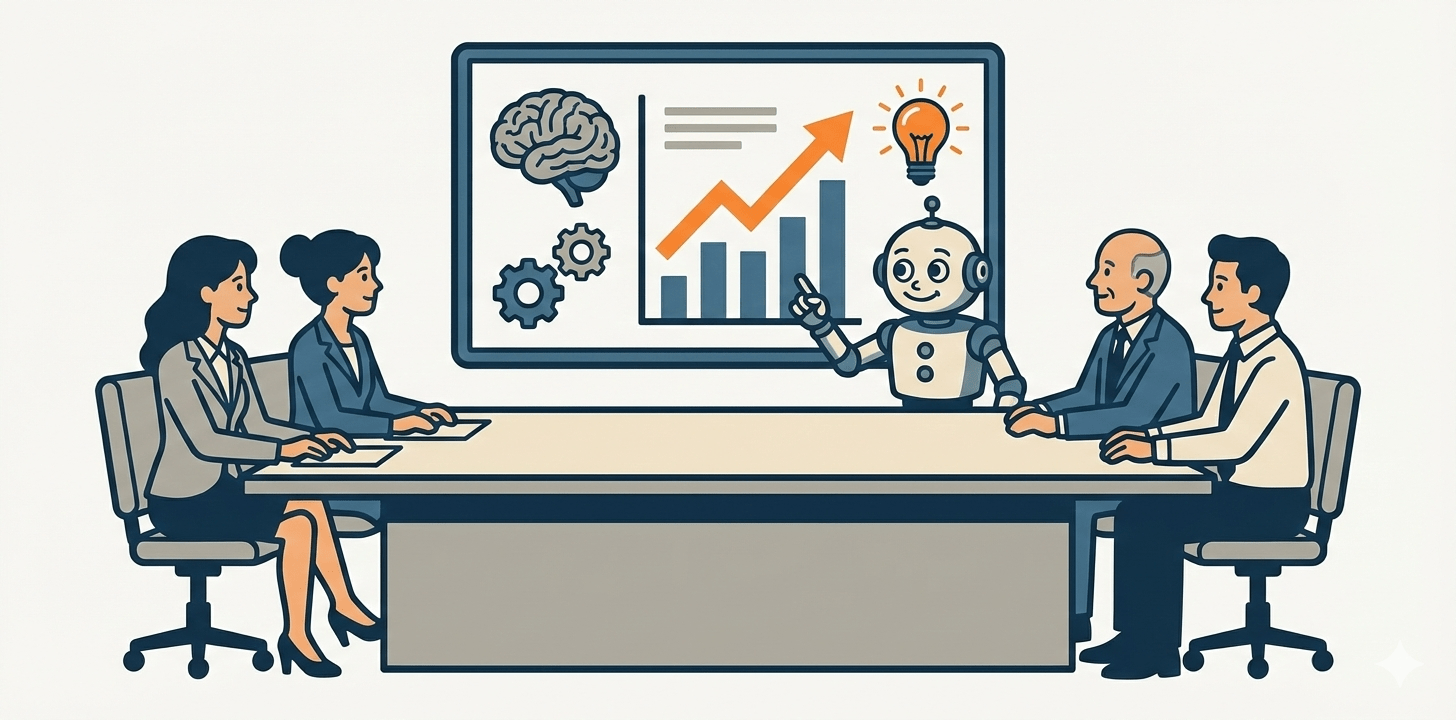
L’essentiel pour décider : l’année 2025 a agi comme un filtre impitoyable pour les entreprises concernant l’adoption de l’IA. Comme l’avait prédit Gartner, environ un tiers des projets d’IA générative ont été abandonnés, car ils sont restés au stade de la simple intention d’achat sans jamais atteindre celui de l’adoption réelle par les équipes.
En ce début d’année 2026, la différence entre les leaders et les suiveurs ne se joue plus sur l’accès à la technologie (devenue une commodité), mais sur la maîtrise de la « collaboration humain-machine ». Les organisations qui performent aujourd’hui sont celles qui ont compris dès 2024 que l’IA n’est pas un simple outil informatique, mais implique une transformation culturelle profonde.
Bilan de l’IA en 2025 : les causes de l’échec des projets technologiques déconnectés de l’humain
L’année dernière a marqué la fin de l’ère du « gadget ». Nous sommes passés de l’euphorie de la découverte à la rigueur impitoyable du retour sur investissement (ROI).
La prophétie de Gartner s’est réalisée
Fin 2024, Gartner annonçait que 30 % des projets d’IA générative seraient abandonnés après la phase de test. Le bilan de 2025 confirme cette tendance : les entreprises qui se sont contentées d’une intention stratégique (déploiement d’outils massifs « top-down »), sans accompagner le changement, ont vu leurs licences inutilisées et leurs budgets s’envoler. Sans adoption réelle, le projet reste une dépense ; avec l’humain, il devient un investissement.
Le constat de McKinsey : l’écart de performance se creuse
Le dernier rapport de McKinsey (début 2026) montre que si 80 % des entreprises ont désormais intégré l’IA dans leurs processus, seules 15 % d’entre elles en tirent un avantage compétitif réel. Le point commun de ces leaders ? Un investissement dans la formation et l’acculturation deux fois supérieur à la moyenne du marché. Ces entreprises n’ont pas seulement formulé l’intention d’innover, elles ont permis à leurs collaborateurs de s’approprier les outils au quotidien.
Source : McKinsey – The state of AI in 2026 / Gartner – Gen AI Maturity Report 2026.
Les défis opérationnels de l’IA en 2026 : gouvernance, conformité européenne et gestion de la fatigue des équipes
Le problème n’est plus d’accéder à l’IA, mais de transformer l’intention durablement sans épuiser ses équipes ni compromettre sa sécurité.
Le plafond de verre des compétences : au-delà du simple usage des « prompts »
Même en 2026, le déficit de compétences reste le premier frein à l’adoption. Le World Economic Forum souligne que l’écart se creuse entre les « utilisateurs passifs » et les « orchestrateurs ». Il ne suffit plus de savoir poser une question à une IA, il faut savoir orchestrer des agents autonomes, vérifier la véracité des données produites et intégrer ces sorties dans un flux de travail complexe. Chez Boeckli & Gomes, nous constatons que l’anxiété liée à l’obsolescence des compétences s’est transformée en une demande pressante de sens.
L’IA Act et la conformité comme levier de confiance pour les entreprises
Depuis 2025, le règlement européen sur l’IA (AI Act) est entré dans sa phase de pleine application. Les entreprises qui avaient anticipé la conformité (transparence des modèles, gestion des biais, protection des données personnelles) ont aujourd’hui un avantage majeur : la confiance. À l’inverse, celles qui sont restées dans une intention floue sans gouvernance se retrouvent face à des risques juridiques et à une méfiance croissante des salariés comme des clients.
La « fatigue de l’IA » : un nouveau risque managérial lié au changement permanent
Un nouveau phénomène est apparu fin 2025 : la lassitude face au changement permanent. Les équipes, sollicitées pour tester de nouveaux outils tous les mois, montrent des signes d’épuisement. Sans une acculturation profonde qui donne du repos et des méthodes claires, l’IA est perçue comme un surveillant ou un accélérateur de cadence insupportable, ce qui bloque toute adoption réelle.
Stratégies de performance en 2026 : exemples concrets d’IA au service de l’expertise humaine
Aujourd’hui, l’IA ne remplace pas l’humain : elle l’amplifie pour ceux qui ont su transformer l’intention en réflexe métier.
Cas pratiques d’application professionnelle en 2026
- Management et RH : automatisation de la synthèse des feedbacks à 360°. L’IA traite les données brutes, mais le manager se concentre exclusivement sur l’entretien en face-à-face, libérant du temps pour l’écoute empathique et le développement du parcours du salarié.
- Marketing et vente : utilisation d’agents spécialisés pour personnaliser les propositions commerciales en fonction de l’historique complet du client et de son contexte actuel (actualités, rapports financiers). Le temps de préparation est réduit de 70 %, mais la décision finale et la négociation restent 100 % humaines.
- Opérations techniques : contrôle qualité assisté par vision par ordinateur où l’IA suggère les anomalies. L’opérateur n’est plus celui qui « cherche » l’erreur, mais celui qui « comprend » pourquoi elle a eu lieu et comment améliorer le processus de production.
