


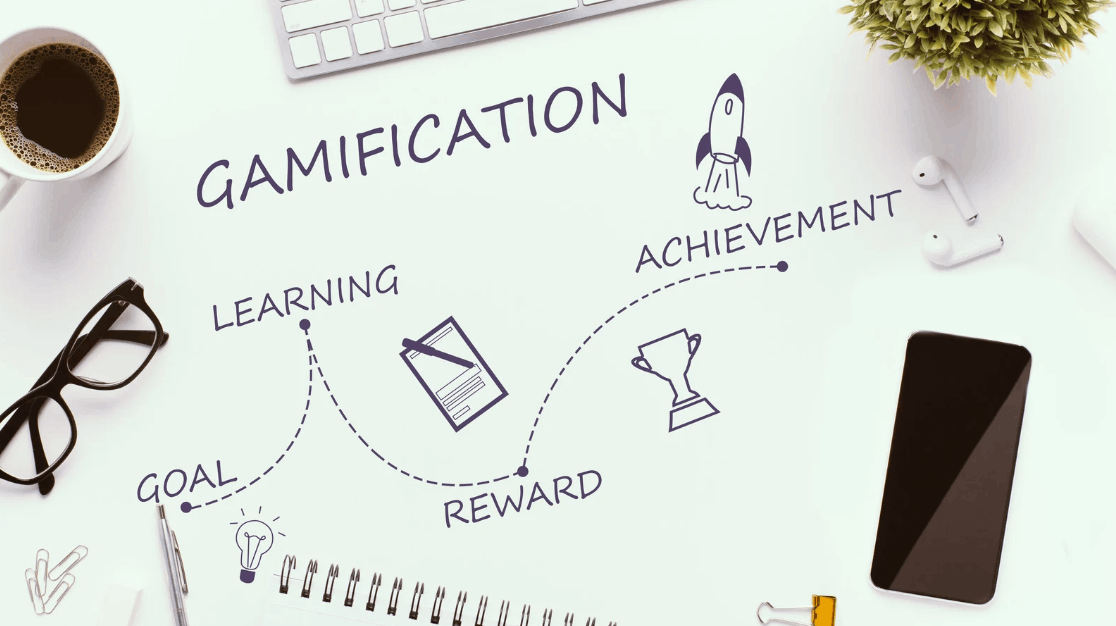
La gamification, ou ludification, consiste à intégrer des éléments de jeu dans des environnements non ludiques, comme les logiciels d’entreprise ou les outils éducatifs. Ce concept gagne en popularité, car il combine plaisir et efficacité, stimulant l’engagement et la productivité. Mais pourquoi et comment cette approche fonctionne-t-elle ?
Qu’est ce que la gamification ?
La gamification repose sur l’utilisation de mécanismes inspirés des jeux vidéo, tels que :
- Récompenses : badges, points ou niveaux.
- Défis : missions ou objectifs à atteindre.
- Classements : pour comparer ses résultats avec ceux des autres.
- Feedback immédiat : notifications ou tableaux de bord qui suivent les progrès en temps réel.
Ces éléments exploitent des instincts humains fondamentaux : le désir de réussir, de se comparer et de recevoir une reconnaissance pour ses efforts.
La gamification dans les logiciels d’entreprise
Les entreprises adoptent de plus en plus la gamification pour stimuler l’engagement des employés et améliorer les performances.
- Formation et onboarding
Les programmes de formation traditionnels peuvent être perçus comme monotones. En intégrant des quizz interactifs, des scénarios gamifiés ou des systèmes de récompenses, les employés sont plus motivés à apprendre. - Gestion de projet
Des outils comme Trello ou Jira introduisent des éléments gamifiés, tels que des badges pour les tâches accomplies ou des tableaux de progression. Cela incite les équipes à atteindre leurs objectifs dans les délais impartis. - Productivité et bien-être au travail
Des applications comme Habitica transforment les tâches quotidiennes en quêtes où les employés gagnent des points en accomplissant leurs missions, encourageant ainsi la discipline et la satisfaction. - Engagement des équipes
Les classements ou compétitions amicales, basées sur des indicateurs de performance, renforcent la collaboration et la motivation, en particulier dans des contextes comme les ventes ou le support client.
La gamification dans l’éducation
L’éducation est l’un des domaines où la gamification a le plus grand impact. Elle transforme l’apprentissage en une expérience immersive et engageante.
- Stimulation de la motivation
Les outils éducatifs comme Kahoot! ou Duolingo utilisent des points, des séries gagnantes et des défis pour inciter les élèves à continuer à apprendre. - Renforcement de l’attention
Les mécanismes de jeu aident à capter et à maintenir l’attention des élèves, en particulier dans un monde saturé de distractions numériques. - Apprentissage progressif
Les plateformes gamifiées permettent de structurer les connaissances sous forme de niveaux ou de parcours. Les élèves avancent à leur rythme, ce qui favorise la maîtrise des concepts. - Collaboration et compétition saines
Des classements et des défis encouragent les élèves à collaborer ou à se mesurer les uns aux autres, tout en renforçant leur implication.
Les avantages de la gamification
- Engagement accru
Les utilisateurs sont plus enclins à participer activement lorsqu’ils se sentent récompensés pour leurs efforts. - Apprentissage accéléré
Les mécanismes gamifiés permettent une assimilation plus rapide des connaissances grâce à la répétition et au feedback immédiat. - Amélioration de la rétention
Les utilisateurs retiennent mieux les informations lorsqu’ils sont actifs et stimulés émotionnellement. - Augmentation de la satisfaction
Qu’il s’agisse d’employés ou d’élèves, les expériences gamifiées rendent les tâches et les apprentissages plus agréables.
Les défis de la gamification
-
Les défis de la gamification
- Surcharge de récompenses
Trop de badges ou de points peuvent diminuer leur valeur et leur impact motivant. - Risque de compétitivité excessive
Les classements peuvent décourager certains utilisateurs si les écarts de performance sont trop importants. - Coût et complexité de mise en œuvre
Créer des systèmes gamifiés nécessite des ressources importantes, notamment pour concevoir des interfaces engageantes et mesurer les résultats. - Efficacité variable
La gamification ne fonctionne pas pour tout le monde. Certains préfèrent des approches plus classiques ou ont des attentes différentes en matière de récompenses.
- Surcharge de récompenses
L’avenir de la gamification
Avec l’émergence de technologies comme la réalité virtuelle, l’intelligence artificielle et les métavers, la gamification a un potentiel énorme. Ces innovations permettront de créer des expériences encore plus immersives, personnalisées et engageantes, tant pour les entreprises que pour les établissements éducatifs.
La gamification est bien plus qu’une tendance : c’est un levier puissant pour motiver, engager et apprendre dans des environnements variés. Bien utilisée, elle peut transformer la manière dont nous travaillons et étudions. Cependant, son succès repose sur une mise en œuvre équilibrée et adaptée aux besoins des utilisateurs.
